
Is this article ready? Warmer water shortens aquarium fish lifespan by speeding up their metabolism while quietly starving them of oxygen. The "need" for heavy circulation and color foods is often just a band-aid on a stressed system. This is not just opinion; it is a predictable outcome of basic physiology and physics.
Tropical is Not the Same as Hot
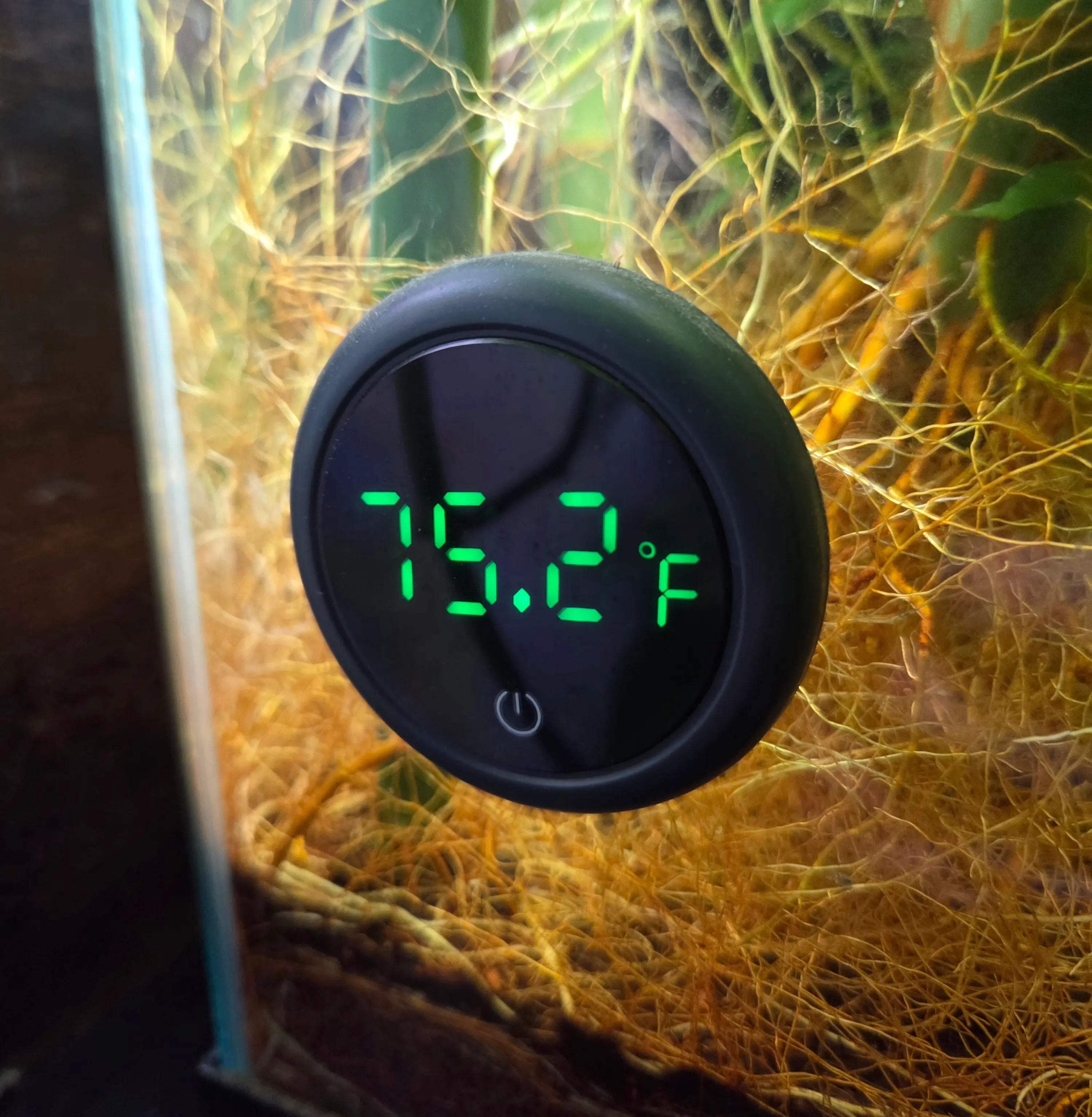
Aquarium hobbyists often hear that tropical fish like warm water. But somewhere along the way, “tropical” got confused with “hot,” so many tanks run at 80–82°F as a default.
Yet, with the exception of specific high-heat specialists like Discus or certain Rams, most common community species come from waters that are warm but not overheated throughout the entire year at a constant rate. These natural environments experience gentle fluctuations, not permanent high gear.
To me, this concept always felt obvious. Before I ever looked into the science, it just made intuitive sense: animals that depend on their environment for body temperature must live faster when heat speeds them up.
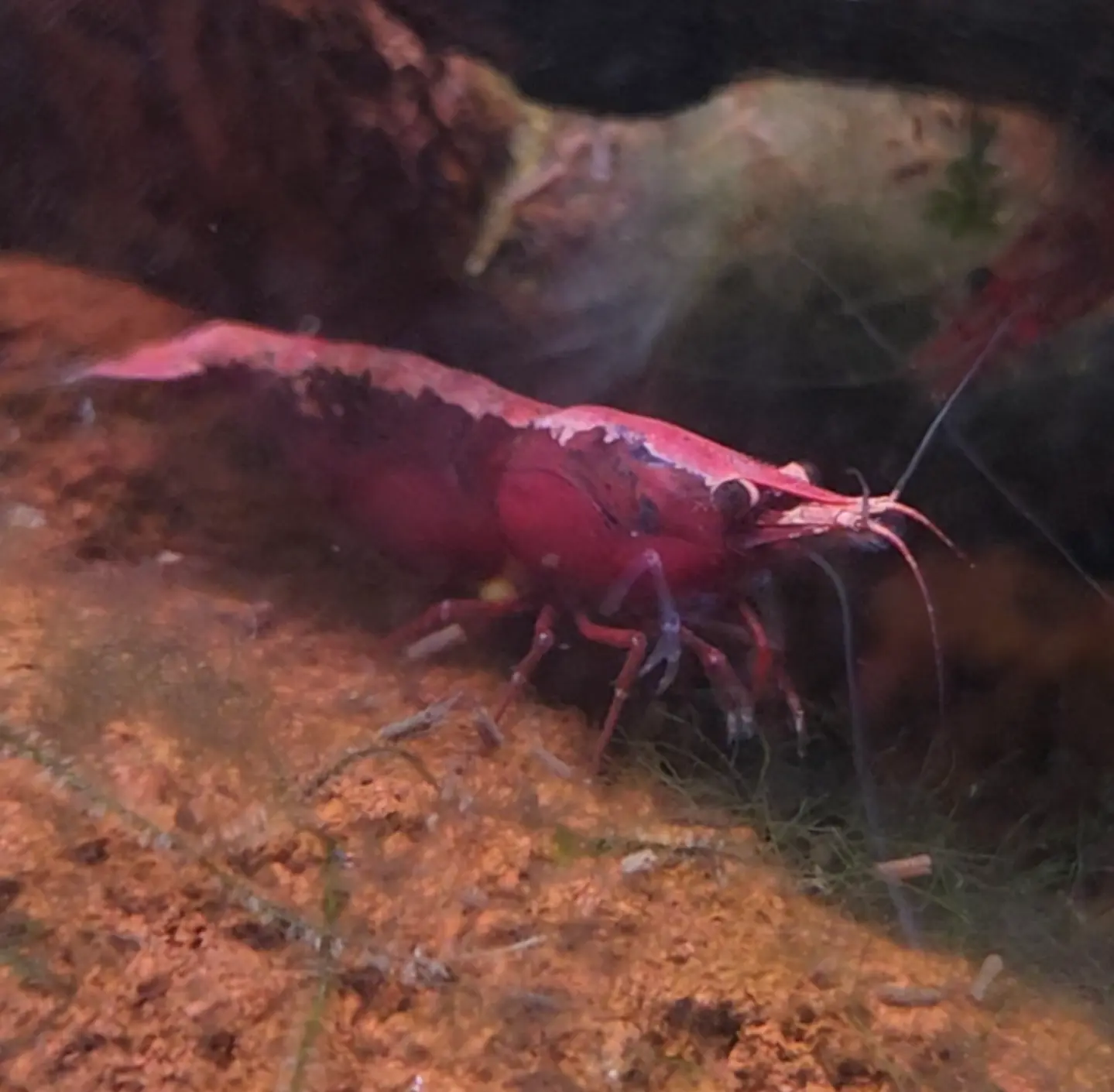
That first assumption was later reinforced by an experienced shrimp keeper, and local store owners: The shrimp died early. Their coloration faded faster. They bred intensely. That kind of firsthand observation, repeated across people and species, hints at a principle much deeper than hobbyist folklore.
The Q10 Effect and Metabolic Overdrive
Fish are ectotherms; their body temperature and metabolic rate are directly controlled by the water around them. The Q10 temperature coefficient describes how biological reaction rates change with temperature: for many processes in fish, rates roughly double (or more) with each 10°C increase.
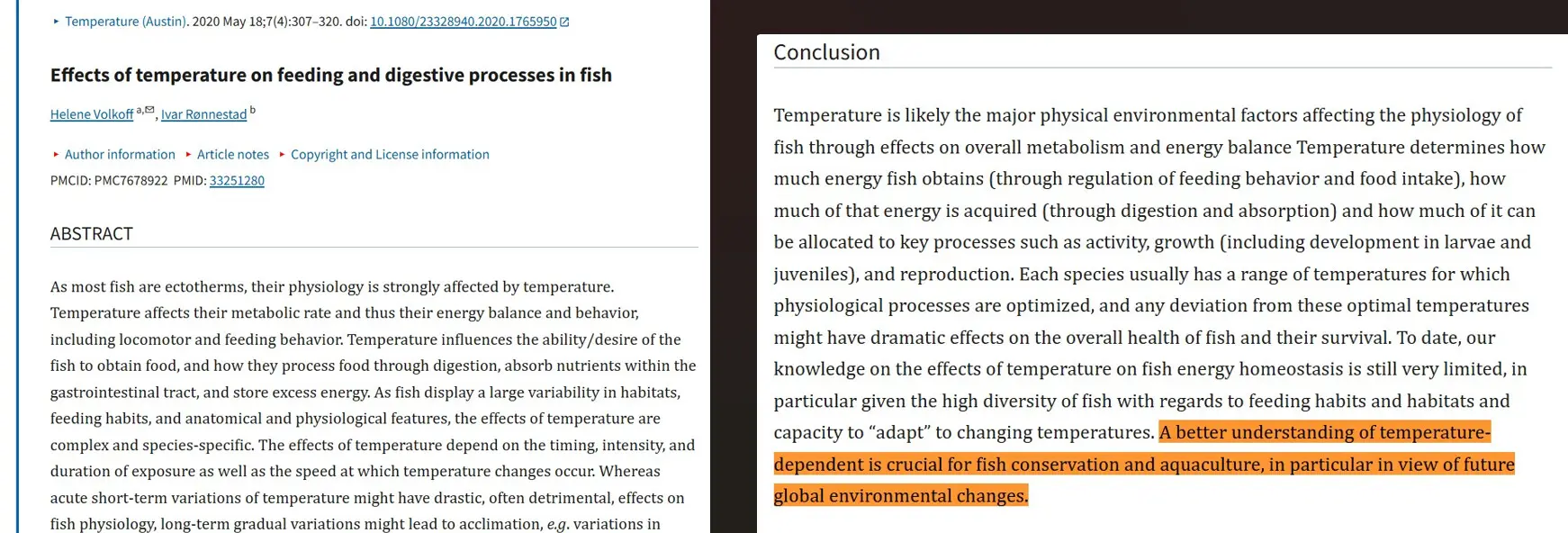 Figure 1: Scientific literature confirms the direct link between thermal increases and metabolic cost.
In practical terms, a fish kept several degrees warmer is running all of its internal chemistry faster—digesting, breathing, repairing tissue, and aging more quickly.
Researchers have repeatedly documented that higher temperatures increase feeding, digestion speed, and overall metabolic demand in fish, up to a point where performance and survival begin to decline.
What looks like "thriving" at high temperature can actually be a period of accelerated wear, after which resilience collapses sooner than it would in slightly cooler, more moderate conditions.
Warm Water and the Oxygen
On top of this metabolic acceleration sits simple physics: as water warms, its ability to hold dissolved oxygen falls. Measurements across natural and artificial systems show a clear inverse relationship—higher temperature, lower oxygen capacity.
At the same time, a warm fish is using more oxygen per unit time to fuel its faster metabolism. The result is a "double whammy": Oxygen demand goes up because the fish is running hotter. Oxygen supply goes down because the water can’t hold as much gas.
This combination quietly pushes fish into a state of chronic, low-level respiratory stress, especially at night, in stocked tanks, or in heavily planted systems where plants also consume oxygen in the dark.
Why Constant Circulation Becomes "Necessary"
Here is where circulation enters the story. In still water, oxygen-rich surface layers can become decoupled from deeper zones; without mixing, the interior of the tank can drift toward lower oxygen levels (those “anaerobic zones” that you have probably heard about).
Mechanical circulation and aeration (filters, powerheads, air stones) work primarily by moving water to the surface, increasing gas exchange, and breaking up any stratification. In cool, lightly stocked systems, basic filtration and gentle flow are often enough to maintain safe oxygen levels.
But in small, warm, heavily stocked aquariums, circulation starts to look "non-negotiable" because it is compensating for a system that is constantly on the edge of oxygen shortage. The hardware is not just polishing the water; it is preventing a physics–physiology mismatch (high demand, low capacity) from tipping into visible distress or sudden death.
From that perspective, the modern norm—high temperature, high stocking, heavy circulation—begins to look less like a "natural upgrade" and more like life support for a system pushed too far.
The Breeder’s Shortcut vs. The Keeper’s Goal
Commercial breeders often run their systems hotter on purpose because elevated temperature speeds growth cycles and shortens the time from fry to sale size.
In a production context, this makes financial sense: faster turnover, more batches per year, and predictable output. The trade-off in long-term lifespan is irrelevant there, because the animals are not meant to live out their full potential in that system.
But this article is not talking about breeders yet. For a home aquarist, the goal is different. Applying production logic to a home tank imports the costs (accelerated aging, chronic stress) without any of the commercial justification.
The animal lives brighter and shorter, not better. Always heavily breathing or accumulating diseases, and typically overfed with weird pellets or flakes.
A More Honest Tropical Aquarium
For most common tropical community fish and invertebrates, a moderate temperature range—often in the mid- to upper-70s°F, species-dependent—paired with adequate but not frantic circulation provides a more sustainable balance between metabolism, oxygen availability, and lifespan.
Cooler (but still tropical) water eases the oxygen squeeze and slows the "biological clock" back from fast-forward toward something closer to a natural pace.
From there, the rest of the system philosophy falls into place: Feed diets that prioritize appropriate ingredients over quick color tricks. Use circulation as a tool for stability, not as a crutch for overdriven conditions. Treat "tropical" as an unique and dynamic biome.
Some might inquire that this is too much for the hobby. The science of temperature, oxygen, and metabolism doesn’t strip the magic from the hobby; it deepens it. It turns the aquarium from a display case into an intentional, ethical micro-ecosystem—one where the animals are not just surviving the choices made for them, but actually living closer to what their biology was built to handle.
What's Next?
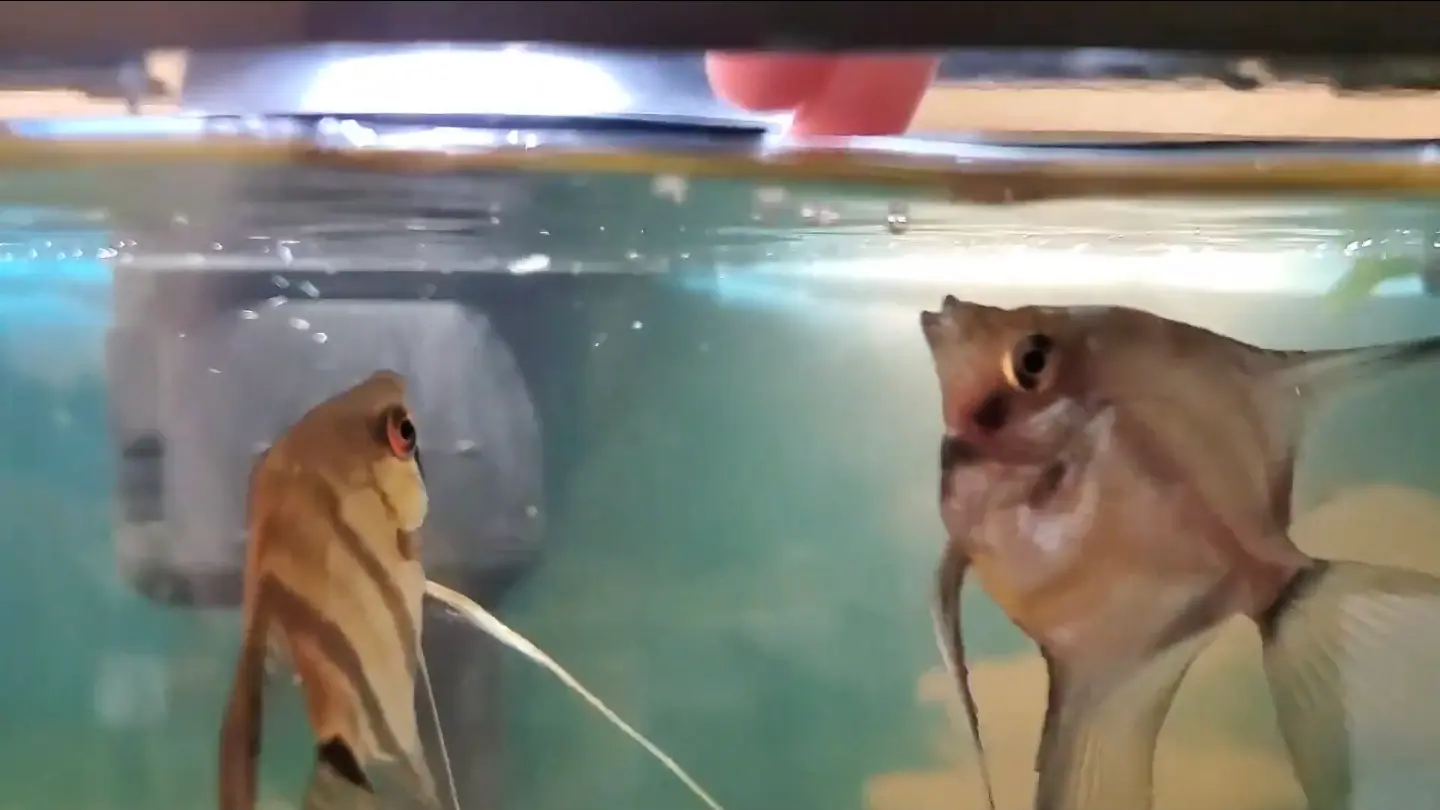
Temperature and oxygen are only part of the picture. This same "performance over health" mindset dominates the food shelf.
Many color-enhancing pellets are packed with inexpensive terrestrial fillers— corn, wheat, and soy meal —chosen for manufacturing cost and as fillers (as stated by the manufacturers themselves) rather than bioavailability.
These are high-energy carbohydrates that many fish cannot digest efficiently, often causing fatty liver deposits and internal stress. But they are effective delivery vehicles for pigments.
This creates a cycle: We keep the tank hot (revving the metabolism), then fuel that engine with low-quality, filler-heavy "gas" just to maximize coloration.
On the surface, it looks like success: the fish are bright and active. But ethically, this is where the hobby steps onto a landmine. When we feed animals junk food to force a specific aesthetic result, we stop treating them as living organisms and start treating them as customizable hardware.
It forces us to admit that the outside critics—the ones shouting that aquariums are just "cruel decoration"—might actually have a point.
If we want to prove them wrong, we have to feed the animal, not the display. My next article will be on that topic.
- Atlas Scientific / Sensorex : Dissolved Oxygen & Temperature Relationships
- Nature / PMC (NCBI) : The Q10 Coefficient and Metabolic Rates in Ectotherms
- Effects of temperature on feeding and digestive processes in fish - PMC
- Clemson University / Globe : Oxygen Solubility and Water Stratification Principles